Designing “aha” moments begins with overlooked details
How Discovery, Translation and Trigger connect everyday observations with product design at KYLEE Design.
At KYLEE Design, an “aha” moment is the point when a familiar object starts to feel different: easier to understand, more considerate to use, or unexpectedly memorable. Our approach starts with everyday details, then connects observation, design decisions and experience.
Discovery: look at the situation around the object
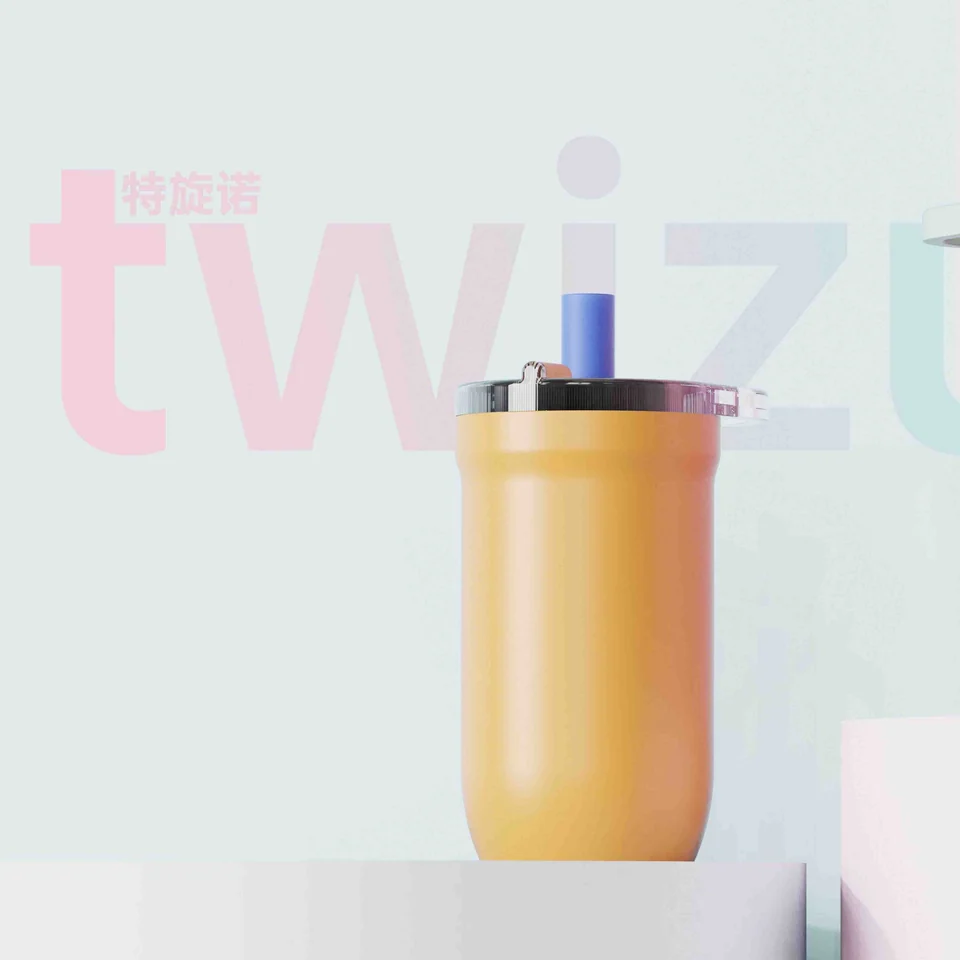
A product is part of a routine. Where is it carried? What happens when someone is in a hurry? Which small inconvenience has become so familiar that people stop mentioning it? These questions help frame a design problem before selecting a shape or visual style. In our Trizuno project, the existing project story focuses on carrying a straw tumbler during daily commutes and exercise.
Translation: turn an observation into a design decision
An observation becomes useful when it informs something concrete: an opening, a grip, a material, a sequence of actions or a clearer visual cue. Our philosophy describes this as turning logic into feeling. A product should communicate through how it works as well as how it looks. The Trizuno project explores a twist-to-hide lid mechanism as part of that everyday carrying experience.
Trigger: create a detail worth remembering
Surprise does not need to be a decorative extra. It can come from a movement that feels intuitive or a detail that makes a routine more enjoyable. We use “Trigger” to describe that lasting impression. The aim is to connect practical choices with an experience people want to return to.
What this means for a product brief
Start with the user, the situation and the difficulty to resolve. Explain what needs to work, what needs to feel different, and which constraints matter. A clear brief gives industrial design room to connect function, form and emotional response. Read the linked project stories for the specific design features; this article describes our approach rather than measured performance claims.